My Septic Tank Is Full, What To Do Right Now
Few household problems create panic faster than realizing your septic tank is full. Toilets may stop flushing properly, drains begin backing up, foul odors spread through the home or yard, and wastewater can even surface outside near the tank or drain field.
If you live in Southwest Missouri and your septic system suddenly seems overwhelmed, acting quickly can help prevent property damage, costly repairs, and serious sanitation issues. At Sims Septic, we regularly help homeowners throughout Springfield, Republic, Willard, and surrounding areas respond to urgent septic problems before they turn into major emergencies.
Signs your septic tank is completely full
A full septic tank usually gives warning signs before a total backup happens. In many cases, homeowners notice smaller issues for weeks or months before the system reaches capacity.
Common signs your septic tank may be full include:
-
- Slow drains throughout the house
- Gurgling toilets or plumbing fixtures
- Strong sewage odors indoors or outside
- Water backing up into tubs or showers
- Soggy ground near the septic tank or drain field
- Toilets struggling to flush properly
- Wastewater surfacing in the yard
These symptoms usually mean the tank has reached capacity, the outlet filter is restricted, or wastewater can no longer move properly into the drain field.
Many homeowners first notice issues after periods of heavy water use, especially during holidays, large gatherings, or extended laundry cycles. If your system is overdue for septic tank pumping, the risk of a backup increases significantly.
What to do immediately if your septic tank is full
If you suspect your septic tank is full, your first priority should be reducing additional strain on the system. Continuing normal water use can force sewage back into the home or saturate the drain field.
Here’s what you should do right away:
-
- Stop using excess water immediately
Limit showers, laundry, dishwashing, and long sink use. Every gallon entering the system makes the situation worse. - Avoid flushing unnecessary waste
Do not flush wipes, paper towels, hygiene products, grease, or chemicals while the system is struggling. - Keep vehicles and equipment off the drain field
Heavy traffic can compact soil and damage already stressed septic components underground. - Watch for sewage backup inside the home
If wastewater begins backing up into drains or tubs, stop using plumbing fixtures entirely. - Call a professional septic contractor
A full septic system requires proper pumping, inspection, and evaluation by an experienced septic company.
- Stop using excess water immediately
Trying to continue “business as usual” with a full tank often turns a manageable pumping appointment into a much larger repair situation involving the drain field, outlet pipe, or septic pumps.
Why you should not try to fix a full septic tank yourself
Homeowners sometimes search online for quick fixes or septic additives when backups start happening. Unfortunately, these temporary approaches rarely solve the actual issue.
A septic system is a complex underground wastewater system that requires specialized equipment and experience to diagnose safely. Pumping, inspections, and repairs should always be handled by trained professionals.
DIY septic work can create serious problems such as:
-
- Exposure to dangerous sewage gases and bacteria
- Damage to the septic tank or baffles
- Accidental drain field damage
- Misdiagnosing the actual problem
- Environmental contamination issues
Even if the tank appears full, the real issue may involve a clogged outlet filter, failed dose pump, blocked lines, or a saturated drain field. Proper diagnosis matters.
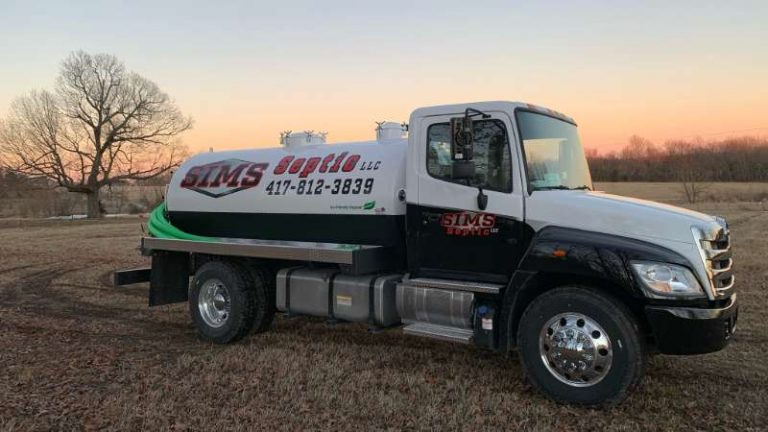
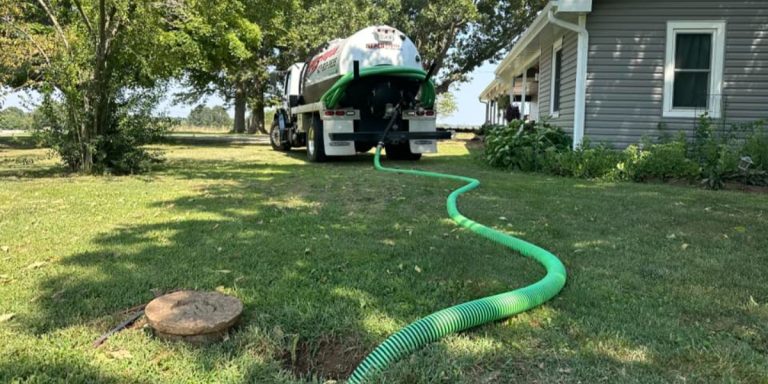
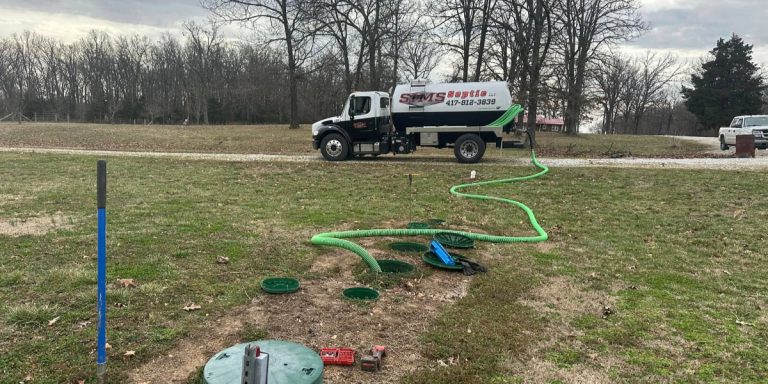
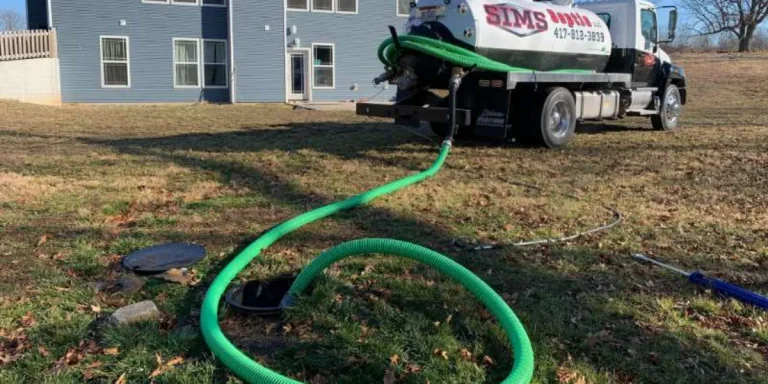
At Sims Septic, we use professional pumping equipment with up to 240 feet of hose access, allowing us to service difficult tank locations while minimizing disruption to your property.
What happens during a septic pumping appointment?
Many homeowners are unsure what to expect during a septic service visit. Pumping a septic tank involves much more than simply removing wastewater.
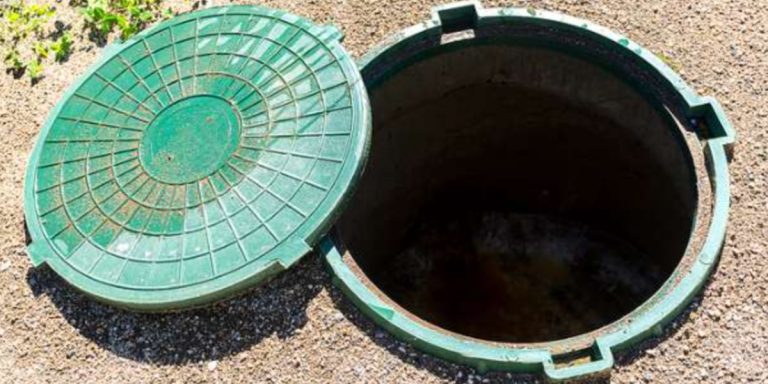
When our crew arrives, we first locate and access the septic tank safely. If lids are buried or difficult to reach, we may recommend installing septic risers and lids to simplify future maintenance.
During a typical pumping appointment, we may:
-
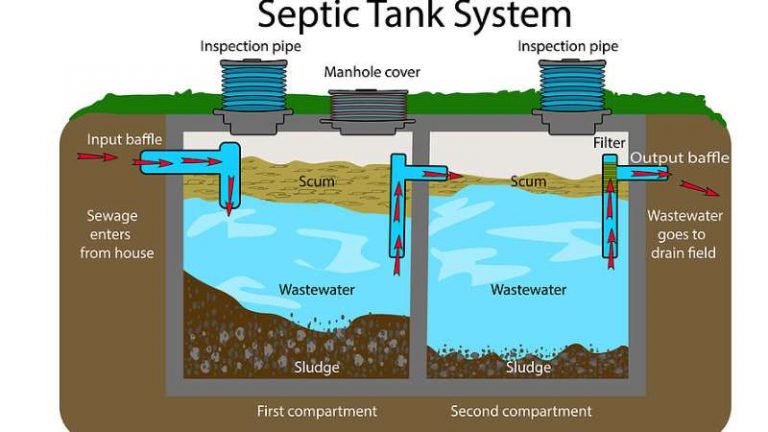
- Remove accumulated sludge and scum buildup
- Inspect visible tank components
- Check inlet and outlet baffles
- Evaluate filters and flow conditions
- Look for signs of drain field stress
- Identify potential repair concerns early
In some situations, pumping alone solves the issue completely. In other cases, the full tank is only a symptom of a larger problem requiring additional repair work.
That’s why professional evaluation is important instead of simply emptying the tank and hoping for the best.
When a full septic tank points to a bigger problem
Sometimes a septic tank fills because routine maintenance was delayed. Other times, the system is warning you about a deeper issue underground.
Several conditions can cause recurring “full tank” symptoms:
Drain field saturation
If the drain field can no longer absorb wastewater properly, sewage begins backing up into the tank. This often causes slow drains, soggy ground, and recurring backups.
Damaged or collapsed lines
Broken pipes, root intrusion, or crushed lines can prevent wastewater from moving through the system correctly.
Outlet filter blockages
Some systems include filters that become clogged over time, restricting flow and creating backup symptoms.
Pump failures
Properties using lift stations or pump systems may experience backups when a pump stops functioning properly. Dose pump repairs are often needed in these situations.
Ignoring recurring septic problems can eventually lead to complete system failure, major excavation work, and expensive restoration costs.
How homeowners accidentally overload septic systems
Many septic emergencies develop gradually due to daily habits that place too much stress on the system. Even well-built septic systems have limits.
Common causes of septic overload include:
-
- Going too long between pump-outs
- Large amounts of laundry in one day
- Flushing wipes or hygiene products
- Excess grease entering the system
- Leaking toilets or plumbing fixtures
- Heavy rainfall saturating the drain field area
Homes with larger families, guest traffic, vacation rentals, or aging septic systems often require more frequent maintenance.
Scheduling regular septic inspections can help catch these problems before wastewater starts backing up into your home.
Real example: Emergency septic backup near Springfield
A homeowner outside Springfield recently contacted Sims Septic after sewage began backing up into a basement shower during a family gathering weekend.
The homeowner initially assumed the plumbing inside the house was clogged. After evaluating the system, we discovered the septic tank was severely overdue for pumping, and the outlet filter had become heavily restricted.
Because the issue was addressed quickly, we were able to perform a full septic pumping service, clean the filter, and restore proper system flow before drain field damage occurred.
Had the homeowner continued using the system for several more days, the situation likely would have escalated into a much more expensive repair involving saturated drain field areas and property cleanup.
Protecting your septic system long-term
Once your septic tank has been pumped and evaluated, ongoing maintenance becomes the key to avoiding another emergency.
Simple preventative steps can dramatically extend the life of your septic system:
-
- Schedule pumping every 3 to 5 years depending on usage
- Spread laundry loads throughout the week
- Never flush wipes or grease
- Keep trees away from septic components
- Address slow drains early before backups occur
- Install risers for easier future maintenance access
Routine maintenance is far less expensive and disruptive than emergency septic repairs or drain field replacement.
At Sims Septic, we help homeowners throughout Southwest Missouri stay ahead of problems with honest evaluations, preventative pumping, and responsive service.
Proudly serving Southwest Missouri homeowners
Sims Septic proudly provides septic pumping, inspections, repairs, holding tank pumping, lift station pumping, and wastewater services throughout Southwest Missouri.
We regularly serve homeowners in:
Our team is licensed, experienced, and equipped to handle both routine maintenance and urgent septic service calls.
Need emergency septic pumping? Contact Sims Septic today
If your septic tank is full, backing up, or causing sewage odors around your property, don’t wait for the situation to get worse.
Sims Septic provides professional septic pumping, inspections, and repair services for homeowners across Southwest Missouri. Whether you’re dealing with slow drains, standing wastewater, pump issues, or an overdue tank, our team can identify the problem and recommend the right solution.
Call today or request an estimate online to schedule septic service before a full backup causes major damage to your home or property.