How Often Should You Pump Your Septic Tank?
One of the biggest mistakes homeowners make with septic systems is assuming everything is fine simply because the toilets still flush. Septic systems usually fail gradually, and by the time major symptoms appear, the damage underneath the property may already be expensive to repair.
Routine septic pumping is one of the most important parts of protecting your home, plumbing, drain field, and property from serious wastewater issues. At Sims Septic, we help homeowners across Southwest Missouri stay ahead of septic problems before they turn into backups, odors, or costly repairs.
If you’ve been wondering how often your septic tank should actually be pumped, the answer depends on several important factors, not just a generic timeline.
Why septic tanks need regular pumping
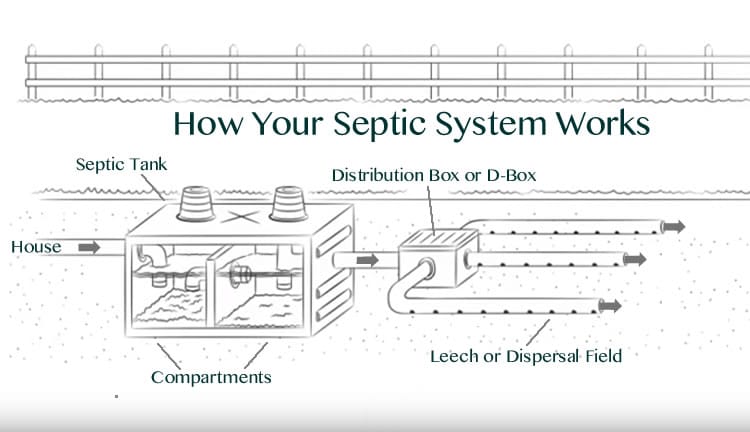
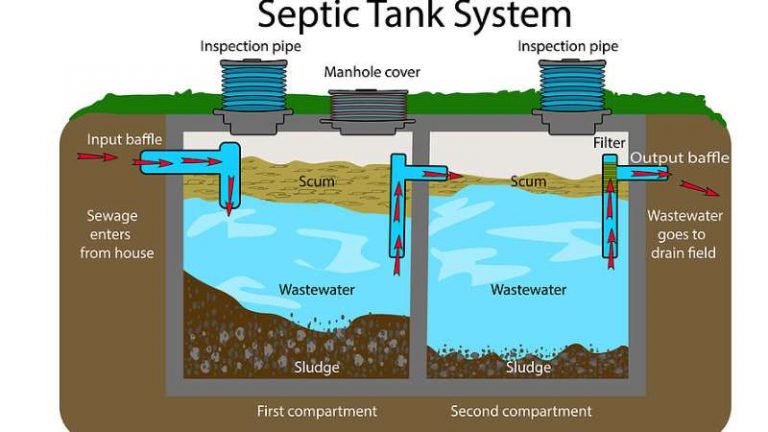
Your septic tank continuously collects wastewater from sinks, toilets, showers, laundry, and appliances throughout the home. Inside the tank, solid waste settles at the bottom while lighter materials float to the surface.
Over time, those layers continue building up.
Without routine septic tank pumping, the tank eventually loses its ability to separate wastewater properly. Once solids begin escaping into the drain field, the risk of long-term system damage increases significantly.
Regular pumping helps:
-
- Prevent sludge buildup inside the tank
- Protect the drain field from solid waste overflow
- Reduce the risk of sewage backups
- Improve wastewater flow through the system
- Extend the overall lifespan of the septic system
Many expensive septic failures begin with simple neglected maintenance that could have been avoided years earlier.
How often should a septic tank actually be pumped?
Most residential septic systems should generally be pumped every 3 to 5 years. However, there is no universal schedule that works for every property.
Several factors determine how quickly your tank fills with sludge and scum.
The biggest factors include:
-
- Household size
More people using the system means faster waste accumulation inside the tank. - Water usage habits
Heavy laundry usage, long showers, and high daily water consumption place more stress on the system. - Septic tank size
Smaller tanks require more frequent service compared to larger-capacity systems. - Garbage disposal use
Food waste increases solid accumulation significantly. - What enters the system
Grease, wipes, paper towels, and hygiene products contribute to buildup and clogs.
- Household size
Some households may safely go closer to five years between pump-outs, while larger families or high-usage properties may need service more frequently.
Routine septic inspections are often the best way to determine the right maintenance schedule for your specific property.
Warning signs your septic tank may already be overdue
Septic systems often provide subtle warning signs long before a full backup occurs. The earlier homeowners respond to these symptoms, the better chance they have of avoiding larger repairs.
Common signs your septic tank may be overdue for pumping include:
-
- Slow drains throughout the house
- Toilets flushing sluggishly
- Gurgling sounds in sinks or tubs
- Sewage odors inside or outside
- Wet areas near the septic tank or drain field
- Recurring drain backups
- Bright green grass over septic areas
Many homeowners wait until sewage starts backing up into the home before calling for service. Unfortunately, by that point the drain field may already be under heavy stress.
What happens if you don’t pump your septic tank?
Neglecting septic pumping for too long creates a chain reaction of problems underground. The longer solids remain inside the tank, the more likely they are to move beyond the tank itself.
Once sludge escapes into the drain field, the system becomes much harder and more expensive to restore.
Potential consequences of overdue pumping include:
Drain field damage
Solids clog the surrounding soil, reducing the field’s ability to absorb wastewater properly.
Sewage backups inside the home
Wastewater may back up into tubs, showers, toilets, or floor drains.
Strong odors around the property
Overloaded systems often create noticeable sewage smells indoors and outdoors.
Wet or flooded septic areas
Saturated drain fields may allow wastewater to surface in the yard.
In severe cases, homeowners may eventually require major excavation, drain field replacement, or extensive septic repairs.
Why pumping is cheaper than septic repairs
Many homeowners delay septic maintenance because the system “seems fine” or because they want to avoid service costs. Unfortunately, neglecting maintenance usually creates much larger expenses later.
Routine septic pumping is far more affordable than:
-
- Drain field replacement
- Emergency sewage cleanup
- Excavation and line repairs
- Structural damage from backups
- Landscape restoration after septic failures
Protecting the drain field is especially important because it is one of the most expensive components of the septic system to repair or replace.
Regular maintenance is ultimately preventative property protection, not just another household chore.
What happens during a professional septic pumping appointment?
Some homeowners put off service simply because they are unsure what the pumping process involves. In reality, professional septic maintenance is straightforward and far less disruptive than dealing with a failed system.
At Sims Septic, a typical service visit may include:
-
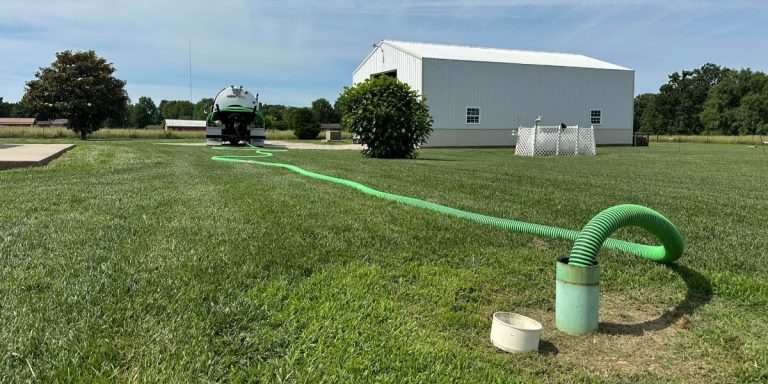
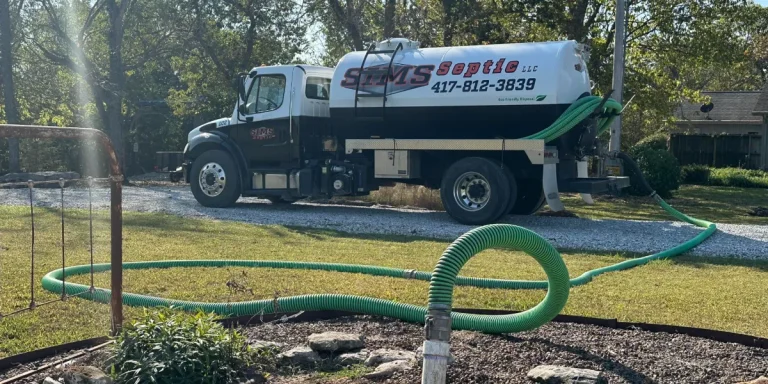
- Locating and safely accessing the septic tank
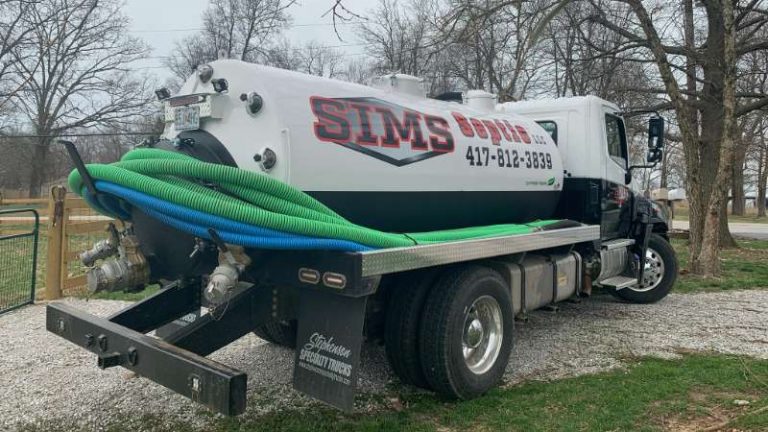
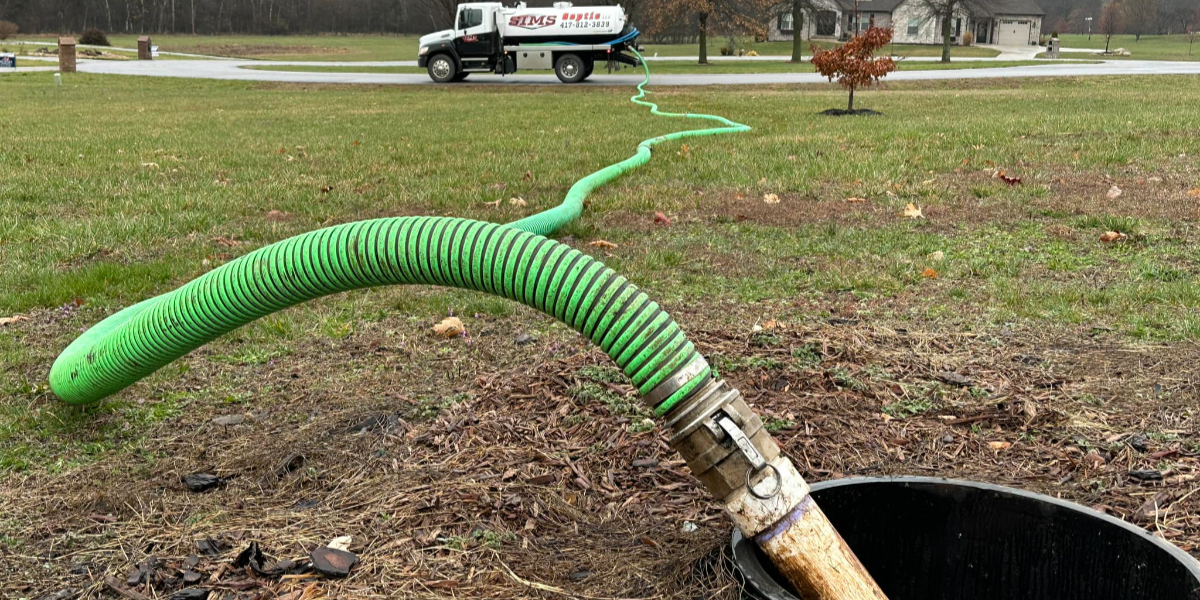
- Removing accumulated sludge and wastewater
- Inspecting visible tank components
- Checking filters and outlet flow
- Looking for signs of drain field stress
- Identifying potential repair concerns early
If your tank access is buried or difficult to locate, installing septic risers and lids can make future pumping and inspections significantly easier.
Properties with advanced systems or lift stations may also require occasional dose pump inspections and repairs to maintain proper wastewater movement.
Real example: Long-overdue septic pumping near Republic
A homeowner near Republic contacted Sims Septic after noticing slow drains and occasional sewage odors outside the home. The septic tank had not been pumped in approximately eight years.
Initially, the homeowner believed the problem was a simple plumbing issue. However, during inspection we found significant sludge accumulation inside the tank, along with early signs of drain field stress.
We completed a full septic pumping service, cleaned the outlet filter, and evaluated the overall system condition.
Fortunately, the homeowner scheduled service before solids caused permanent drain field damage. Had the system continued operating much longer without maintenance, repair costs likely would have increased substantially.
How homeowners accidentally shorten septic system life
Beyond skipped pumping schedules, certain daily habits can dramatically reduce the lifespan of a septic system.
Common septic mistakes include:
-
- Flushing wipes or hygiene products
- Pouring grease down drains
- Overloading the system with laundry
- Driving or parking over the drain field
- Ignoring slow drains or odors
- Using excessive chemical drain cleaners
Many homeowners unintentionally overload their septic systems long before obvious warning signs appear.
Simple preventative habits combined with regular pumping can add years of life to the entire system.
Proudly serving Southwest Missouri homeowners
Sims Septic proudly provides septic pumping, inspections, repairs, riser installation, holding tank pumping, and wastewater services throughout Southwest Missouri.
We regularly serve homeowners in:
Our licensed and experienced team helps homeowners stay ahead of septic issues with honest evaluations and dependable service.
Overdue for septic pumping? Contact Sims Septic today
If you cannot remember the last time your septic tank was pumped, it may already be overdue for maintenance. Waiting until a backup or drain field issue develops usually leads to more expensive repairs and property disruption.
Sims Septic provides professional septic pumping, inspections, and repair services throughout Southwest Missouri. Whether you need routine maintenance or help diagnosing slow drains, odors, or backups, our team can evaluate your system and recommend the right solution.
Call today or request an estimate online to protect your septic system before small problems become major repairs.