Why Are My Drains Suddenly Slow? | Septic Signs
Slow drains have a way of showing up at the worst possible time. One sink starts draining sluggishly, then the shower begins pooling water, and before long the toilets seem slow to flush too. Many homeowners assume they’re dealing with a simple plumbing clog, but when multiple fixtures begin acting up at the same time, the problem may actually involve the septic system.
Understanding the difference between a plumbing issue and a septic issue is important because the wrong diagnosis can delay repairs and allow the problem to get worse. At Sims Septic, we help homeowners across Southwest Missouri identify the cause of slow drains before they turn into backups, property damage, or drain field failures.
When slow drains are usually a plumbing problem
Not every slow drain means your septic system is failing. In many homes, isolated drainage issues are caused by a localized plumbing blockage inside the house.
Common plumbing-related causes of slow drains include:
-
- Hair buildup in bathroom drains
- Grease accumulation in kitchen pipes
- Soap residue restricting water flow
- Foreign objects lodged in drain lines
- Minor pipe obstructions near individual fixtures
If only one sink, tub, or shower is draining slowly while the rest of the house functions normally, the issue is often isolated to that fixture’s plumbing line.
For example, a bathroom sink draining slowly while toilets and showers work properly usually points toward a local clog rather than a septic system issue.
However, once multiple drains throughout the home begin slowing down simultaneously, the situation often shifts away from basic plumbing and toward a larger septic-related concern.
Signs your septic system may be causing slow drains
Septic-related drainage problems usually affect the home more broadly because the entire wastewater system is struggling to process or move wastewater correctly.
Warning signs of a septic-related issue include:
-
- Multiple drains slowing down at once
- Toilets gurgling after flushing
- Water backing up into tubs or showers
- Sewage odors inside or outside the home
- Wet or soggy areas near the drain field
- Slow drains after heavy water usage
- Recurring drainage issues shortly after plumbing work
These symptoms often indicate that wastewater cannot leave the septic tank properly, the tank is overdue for pumping, or the drain field is becoming saturated.
Homes with older systems, larger families, or infrequent septic pumping schedules are especially vulnerable to these kinds of problems.
Why a full septic tank slows down your drains
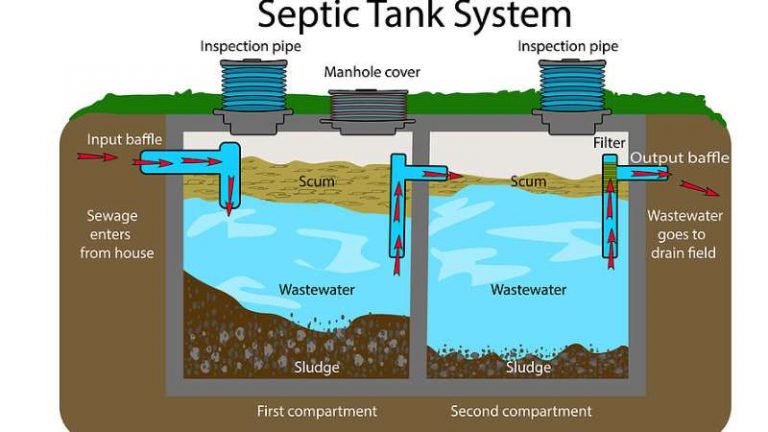
Your septic tank is designed to separate solids from wastewater before sending liquid effluent into the drain field. Over time, sludge and scum naturally build up inside the tank.
If the tank is not pumped regularly, that buildup eventually reduces the available space for wastewater. Once capacity becomes limited, water leaving the home cannot flow efficiently through the system anymore.
That’s when homeowners begin noticing:
-
- Slow sinks and tubs
- Delayed toilet flushing
- Gurgling sounds in drains
- Water pooling around floor drains
- Backups during laundry or shower use
Many homeowners ignore these early warning signs because the system still “sort of works.” Unfortunately, once sewage begins backing up into the house or surfacing outside, the repair situation often becomes much more serious.
Drain field problems can mimic plumbing clogs
One of the most misunderstood septic issues involves the drain field. Even if the septic tank itself is pumped recently, wastewater still needs somewhere to go.
The drain field absorbs and filters liquid wastewater underground. If the soil becomes saturated or clogged, the entire system can slow down dramatically.
Drain field-related symptoms often include:
Slow drainage throughout the house
Because wastewater cannot disperse properly underground, plumbing fixtures begin draining slowly across the home.
Backups during high water use
Laundry, long showers, or multiple people using water at once may overwhelm the system and trigger backups.
Wet areas in the yard
Saturated drain fields sometimes create soggy patches or standing wastewater near the septic area.
Strong septic odors outdoors
When wastewater cannot filter correctly underground, odors often become noticeable around the property.
Drain field issues should never be ignored because prolonged saturation can permanently damage the system and lead to costly excavation work.
What homeowners should do when drains suddenly slow down
If your drains suddenly begin slowing down across the house, taking the right steps early can help minimize damage and prevent a complete septic backup.
Here’s what homeowners should do:
-
- Reduce water usage immediately to avoid overloading the system further
- Avoid chemical drain cleaners, which can damage septic bacteria and rarely solve septic-related issues
- Pay attention to other symptoms like odors, gurgling toilets, or wet yard areas
- Check your pumping history to determine if the tank may be overdue for service
- Schedule a professional septic inspection instead of guessing at the cause
Many homeowners waste time and money repeatedly snaking drains or using store-bought products when the actual issue is happening underground in the septic system itself.
At Sims Septic, we help identify whether the problem involves the septic tank, drain field, outlet filter, lift station, or another system component.
Why store-bought drain products can make septic issues worse
When drains slow down unexpectedly, homeowners often turn to chemical drain cleaners first. While these products may temporarily clear minor plumbing clogs, they can create additional problems for septic systems.
Harsh drain chemicals may:
-
- Disrupt the beneficial bacteria inside the septic tank
- Damage older pipes or septic components
- Mask the real issue temporarily
- Delay proper diagnosis until backups become severe
Slow drains caused by septic overload, drain field saturation, or pump failure require proper system evaluation, not chemical shortcuts.
In systems using pumps or lift stations, slow drains may even indicate the need for dose pump repairs or electrical troubleshooting.
Real example: Slow drains before a major septic backup
A homeowner near Republic contacted Sims Septic after dealing with slow showers and toilets for nearly two months. Initially, they assumed the problem was caused by old plumbing inside the home.
After multiple drain-cleaning attempts failed, the system eventually backed up during a weekend of heavy laundry use.
During our inspection, we found the septic tank was significantly overdue for pumping, and the outlet filter had become heavily restricted. Wastewater flow into the drain field had slowed dramatically.
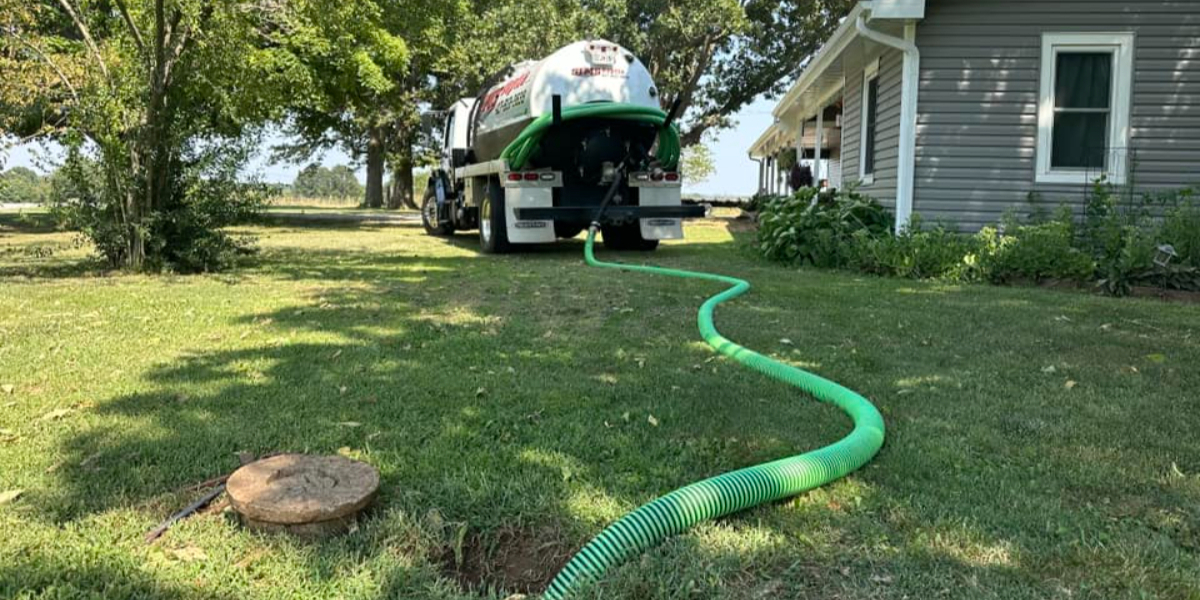
We completed a full septic pumping service, cleaned the filter, and evaluated the drain field for additional damage.
Because the homeowner waited so long to address the warning signs, the system came very close to overflowing into the home completely.
How regular maintenance helps prevent slow drains
Most septic-related drainage problems build gradually over time. Regular maintenance is one of the best ways to prevent sudden slow drains and unexpected backups.
Preventative septic care typically includes:
-
- Routine septic pumping every 3 to 5 years
- Periodic septic system inspections
- Filter cleaning and flow checks
- Monitoring water usage habits
- Keeping heavy traffic off the drain field
- Addressing minor symptoms before they escalate
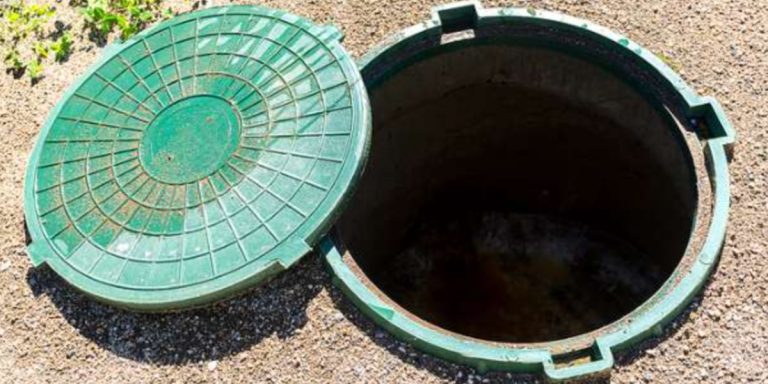
Installing septic risers and lids can also simplify future maintenance by allowing faster access to buried tanks during inspections and pumping appointments.
Preventative service is far less expensive than emergency backups, property cleanup, or drain field replacement.
Proudly serving Southwest Missouri homeowners
Sims Septic proudly provides septic pumping, inspections, repairs, lift station pumping, holding tank pumping, and wastewater services throughout Southwest Missouri.
We regularly serve homeowners in:
Our team is licensed, experienced, and equipped to diagnose septic problems accurately before they become major emergencies.
Slow drains throughout the house? Contact Sims Septic today
If your sinks, tubs, or toilets have suddenly started draining slowly, don’t assume it’s just a simple plumbing clog. Septic problems often begin with subtle warning signs long before a complete backup happens.
Sims Septic provides professional septic inspections, pumping, and repair services for homeowners across Southwest Missouri. Whether the issue involves a full tank, saturated drain field, blocked outlet filter, or failing pump system, our team can identify the cause and recommend the right solution.
Call today or request an estimate online before slow drains turn into a costly septic emergency.