Can’t Find Your Septic Tank Lid? What To Do Next
Not being able to find your septic tank lid is one of the most common problems homeowners run into when it’s time for pumping or inspection service. Grass grows over the area, landscaping changes, old records disappear, and before long many homeowners have no idea where the tank is actually buried.
Unfortunately, waiting until you have a backup or emergency to start searching for the septic tank often creates delays, added digging costs, and unnecessary frustration. At Sims Septic, we regularly help homeowners throughout Southwest Missouri locate buried septic tanks and safely access systems that haven’t been serviced in years.
If you can’t find your septic tank lid, the good news is you are definitely not alone. The important thing is avoiding damage to the system while locating it properly.
Why septic tank lids become difficult to find
Many septic tanks were originally installed with lids buried below the surface. Over time, the location becomes harder to identify for several reasons.
Common reasons septic lids disappear include:
-
- Grass and vegetation gradually covering the lid area
- Previous owners never documenting the tank location
- Landscaping or grading changes over the years
- Soil buildup after storms or erosion
- Older systems lacking visible risers
- Tank installations far from the home
In rural properties across Southwest Missouri, it’s also common for septic systems to be located farther from the home than homeowners expect, especially on larger lots or sloped properties.
Some lids may only sit a few inches underground, while others can end up buried much deeper after years of soil accumulation.
Signs that help identify where your septic tank may be located
Even if you don’t know the exact location of your septic tank, there are often clues around the property that help narrow down the search area.
Homeowners can sometimes identify likely locations by looking for:
-
- Slight depressions or raised areas in the yard
- Greener grass patches during dry weather
- Old cleanout pipes sticking above ground
- Areas between the home and drain field
- Septic odors in a concentrated location
- Previous pumping dig locations
Most septic tanks are located somewhere along the main sewer line leaving the home. In many houses, that line exits near a basement wall or crawlspace plumbing area and runs toward the tank underground.
However, septic layouts vary significantly between properties, which is why guessing incorrectly can lead to unnecessary digging or accidental system damage.
Why homeowners should avoid random digging
One of the biggest mistakes homeowners make is digging blindly around the yard searching for the septic lid. While it may seem harmless, random excavation can create expensive problems.
Improper digging may damage:
-
- Septic tank lids or risers
- Buried sewer lines
- Drain field piping
- Electrical lines connected to pumps
- Landscape drainage systems
Older concrete lids can also become fragile over time. Digging aggressively around them or walking on unsupported areas may create serious safety hazards.
At Sims Septic, we use professional locating experience and system knowledge to minimize unnecessary excavation while identifying septic access points safely.
How septic professionals locate buried tanks
Professional septic contractors use several methods to locate buried septic systems efficiently and accurately.
Depending on the property, tank age, and available records, locating methods may include:
Following the sewer line from the home
The main sewer line direction often helps identify the most likely septic tank location.
Reviewing property layouts and terrain
Drain field positioning, grading, and lot layout can provide valuable clues about system placement.
Identifying soil changes or settlement patterns
Older tank areas sometimes show subtle differences in grass growth or ground elevation.
Using access probes carefully
Experienced technicians may use specialized probing techniques to identify buried tank edges without damaging the system.
Once the tank is located, safe access becomes much easier for future septic pumping and inspections.
Why installing septic risers saves homeowners headaches
After finally locating a buried septic lid, many homeowners decide they never want to repeat the process again. That’s where septic risers become extremely valuable.
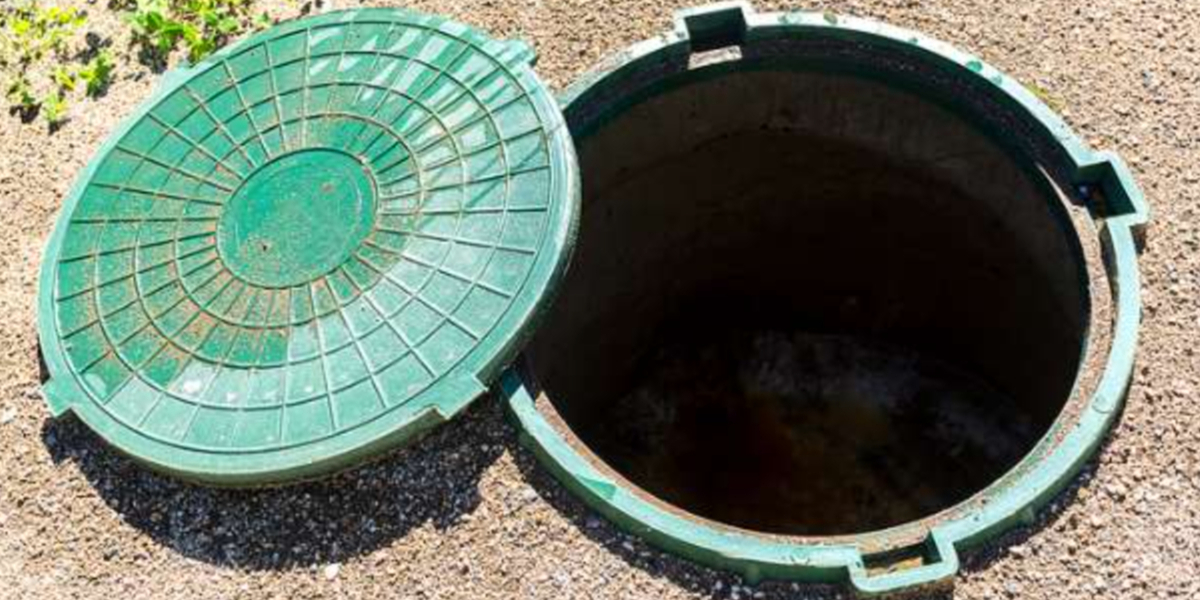
Septic risers and lids extend tank access points closer to the surface, making future maintenance significantly easier.
Benefits of riser installation include:
-
- Faster pumping appointments
- Reduced digging during maintenance
- Easier inspections and filter cleaning
- Lower future labor costs
- Safer access to the septic tank
- Better long-term maintenance visibility
Many homeowners with buried tanks end up paying extra digging costs every time the system requires service. Installing risers once often saves money over the long run while making the system easier to maintain properly.
What happens if the septic tank cannot be accessed?
If the septic tank lid cannot be located or safely opened, important maintenance gets delayed. That delay often leads to larger septic problems.
Without proper tank access:
-
- Routine pumping cannot be completed correctly
- Outlet filters cannot be inspected or cleaned
- Tank condition remains unknown
- Drain field stress may go unnoticed
- Backups become more likely over time
Some homeowners unknowingly go years beyond recommended pumping intervals simply because accessing the tank feels overwhelming or expensive.
Unfortunately, delaying service often creates far more costly issues later, especially if solids begin reaching the drain field or wastewater starts backing up into the home.
Real example: Buried septic lid outside Springfield
A homeowner outside Springfield contacted Sims Septic after trying unsuccessfully to locate their septic tank for nearly a week before a scheduled pumping appointment.
The property had changed ownership multiple times, and no septic diagrams or records were available. Previous landscaping work had also altered the original yard grading significantly.
After evaluating the property layout and sewer line direction, we located the buried septic tank several inches below the surface near an overgrown section of the yard.
Once access was restored, we completed a full septic pumping service and installed new risers and lids so future maintenance could be completed without excavation.
The homeowner later mentioned that finding the tank had become a much bigger stress point than the pumping itself.
How to make future septic maintenance easier
Once your septic tank location is confirmed, taking a few proactive steps can make future service much smoother.
Helpful long-term maintenance steps include:
-
- Create a simple property sketch showing tank location
- Take photos of the tank area before covering it
- Install septic risers for visible access
- Avoid planting trees near the tank or drain field
- Keep heavy vehicles off septic areas
- Schedule regular inspections and pumping
Routine septic inspections also help identify developing issues before they turn into backups, drain field problems, or emergency service calls.
Properties using pumps or lift stations may also require occasional dose pump inspections and repairs to keep wastewater moving properly.
Proudly serving Southwest Missouri homeowners
Sims Septic proudly provides septic pumping, inspections, riser installation, repairs, holding tank pumping, and wastewater services throughout Southwest Missouri.
We regularly serve homeowners in:
Our team is licensed, experienced, and equipped to safely locate and service septic systems throughout the region.
Need help locating your septic tank lid? Contact Sims Septic today
If you can’t find your septic tank lid, avoid random digging or delaying maintenance until a backup happens. Proper locating and safe access are important for protecting the health of your septic system.
Sims Septic provides professional septic locating, pumping, inspections, riser installation, and repair services across Southwest Missouri. Whether your tank has been buried for years or you simply want easier future access, our team can help.
Call today or request an estimate online to locate your septic tank and simplify future maintenance before problems develop.